How Society Works
In which we take up the need for public servants

We recently had some electrical work done on our house, which required an inspection by someone from the City of Greensboro. The electrical inspector and I got to talking, and at some point he said, "I'm a public servant." His job as an agent of the city government is to ensure that electrical contractors and do-it-yourselfers meet "the code," the set of standards established by state legislatures and regulatory agencies to ensure that homeowners, businesses, and their property are safe after electrical work is completed. Most of the time when we hear about inspectors, the tone is that there are these overseers who stick their noses into construction jobs to catch people doing things wrong. They are an expense and a time-waster that aren't all that necessary.
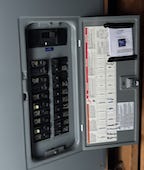
When the inspector said, "I am a public servant," I was surprised. I hadn't really thought of these inspections as a public service. The inspector explained that his job is to check in after an electrical job as a protection for, in my case, the homeowner, to make sure all is well. He protects us from being taken advantage of by unscrupulous or incompetent workers and their companies. That's a protection I appreciate, since what I know about electricity begins and ends at a light switch. I'm glad the City of Greensboro and the state of North Carolina require this service, and I am happy to pay taxes for it.
And then I thought, my electrical inspector works for the government. He is a public servant, just like the folks who work for the IRS, the US Department of Education, the North Carolina Department of Public Instruction, the DMV, the County Animal Shelter, the Department of Defense, the fire department, and many other public agencies that provide protection, support, and resources that serve public interests. Now, it's true that we can and should debate whether these public services should be done at all and how much of the taxpayers' money we should invest in them. We should always be vigilant about whether they are doing their jobs and hold them accountable. But for the most part, my experience is that they are performing the public services we need. It's also my experience that they are easy to complain about. All of this is indicative of the democratic process we have relied on in the US since the mid-20th century. Through the legislative and executive branches of government, we create services deemed important to the public interest. We levy taxes to fund these services, and we establish rules and regulations to govern their provision. We then create offices and agencies to oversee these services, and we take steps to improve them when problems arise in the system. In case you're wondering, WE is We, the people, through our elected and duly appointed representatives.
And then I thought again, what if a Mayor, Governor, or the President decides unilaterally that a service is unnecessary, incompetently run, or costs too much? Let's say the Mayor decided that electrical inspections are unnecessary and too costly. They are a burden on construction businesses and do-it-yourselfers who are interested in doing things right in the first place. The Mayor's claims sound logical, and they appeal to both the public and businesses. So, the Mayor fires all the electrical inspectors. The Mayor doesn't ask anyone, and it appears the City has saved a lot of taxpayers' money that was being spent on something it didn't need anyway. I don't think that's a safe and trustworthy way to protect the people who live and work in a community.
This tale illustrates what the President and his associates are doing to our governmental operations — operations that have been created to protect us, support us, and provide a way of life that is safe, just, and fair. Most of us live our lives largely unaware of what the federal government does to fulfill its obligations to its residents. We generally ignore these functions until we have to pay taxes or we need to interact with a governmental agency to accomplish something we want to do. State and local governments are closer to us, but the principle remains the same. Then we complain and grumble about it, harping on how the government is encroaching on our personal space. We don't recognize what the purpose is that the government is trying to accomplish. Either we aren't well-informed, or we take services for granted. How many times do we think about what a great service the garbage truck workers provide for us? What would happen if the City of Greensboro didn't offer that service?
When the electrical inspector reminded me that he is a public servant, that service and his obligations came home. As much as we love our individual liberties and rights, we are all in this life and our communities together. Through democratic governance, we have established mechanisms to protect, support, and provide for one another when things aren't working out. Just look at what police departments, highway departments, foster care systems, and Medicare workers--and electrical inspectors--do every day. We taxpayers pay for them, and we get the benefit one way or another. In a democracy, we are also responsible for ensuring that the system functions as it should, is changed when necessary, and is accountable for achieving its purpose. The people receive services, and they need to participate in ensuring the systems that provide those services are functioning effectively.
Living in a democracy is not easy. I'm glad my City of Greensboro electrical inspector reminded me how democracy works and what we are losing as political forces in the US tear apart systems that actually work pretty well. Living in a society requires us to recognize that we are interdependent on one another, even when we'd like to be rugged individualists who control our own destinies. Living together means we need government--systems of services that support and enhance our community's well-being.
For more on what’s happening with public servants, see Heather Cox Richardson’s August 27th Substack.
NC Attorney General Jeff Jackson reports on what happens when public services are awarded and then withdrawn and how public servants and the people who need them are affected: